Buy etechnic.eu ?
We are moving the project
etechnic.eu .
Are you interested in purchasing the domain
etechnic.eu ?
domain@kv-gmbh.de · 0541-91531010
Buy etechnic.eu ?
Why does the rear brake not build up pressure after changing the exhaust manifold?
The rear brake may not build up pressure after changing the exhaust manifold because the brake system could have been affected during the repair process. It is possible that the brake lines or hoses were damaged or disconnected while working on the exhaust manifold, leading to a loss of pressure in the rear brake system. It is important to carefully inspect the brake system and ensure that all components are properly connected and functioning after any maintenance or repair work on the vehicle. If the issue persists, it may be necessary to bleed the rear brake system to remove any air that may have entered the system during the repair process. **
Which exhaust?
The exhaust system of a vehicle is responsible for removing harmful gases produced during the combustion process. It typically consists of a series of pipes, a catalytic converter, a muffler, and a tailpipe. A well-maintained exhaust system is crucial for the overall performance and efficiency of the vehicle, as it helps reduce emissions and noise levels. Regular inspections and maintenance of the exhaust system are important to ensure it is functioning properly and to prevent any potential issues. **


Similar search terms for ASTEMO-2507411-Exhaust-pressure
Top-Angebote
Products related to ASTEMO-2507411-Exhaust-pressure:
-
ASTEMO 2507405 Exhaust pressure sensorExhaust System: for vehicles with factory fitted soot -/particulate filter; TecDoc Engine Number: 24922, 23353, 18509, 18511, 24348, 20041, 23306, 24352, 23305, 23354, 24436, 24439; Vehicle Identification Number (VIN) to: AH999999; Construction Year from: 01/2006, 05/2005, 09/2005, 02/2006, 07/2004, 05/2004, 06/2005, 06/2004, 11/2004, 09/2004, 03/2009, 03/2007, 06/2010, 04/2009; Construction Year to: 01/2007, 04/2007, 04/2009, 07/2011, 01/2008, 03/2010, 02/2008, 04/2008, 07/2010, 02/2010, 05/2010, 06/2010, 10/201054,49 £*Shipping: 8,45 £Secure redirect to the provider


-
How do respiratory protection positive pressure devices work?
Respiratory protection positive pressure devices work by supplying a constant flow of clean air into the breathing zone of the user. This creates a positive pressure inside the mask or hood, preventing contaminated air from entering. The constant flow of air also helps to keep the user cool and comfortable during prolonged use. Positive pressure devices are commonly used in environments where there is a high risk of exposure to hazardous airborne particles, gases, or vapors. **
-
Does a sports exhaust change the exhaust emissions?
Yes, a sports exhaust can change the exhaust emissions of a vehicle. Sports exhaust systems are designed to improve the flow of exhaust gases, which can result in a change in the emissions produced by the vehicle. In some cases, a sports exhaust may lead to increased emissions of certain pollutants, such as nitrogen oxides or hydrocarbons. It's important to consider the environmental impact of installing a sports exhaust and to ensure that it complies with local emissions regulations. **
-
Why is the hydrostatic pressure neglected in ventilation technology?
Hydrostatic pressure is neglected in ventilation technology because it is not significant in the context of air movement in ventilation systems. Ventilation systems are designed to move air through ducts and spaces, and the pressure exerted by the weight of the air column is typically negligible compared to the pressure generated by the ventilation equipment. Therefore, hydrostatic pressure is not a major factor in the design and operation of ventilation systems. Instead, the focus is on factors such as fan performance, duct design, and air distribution to ensure effective and efficient ventilation. **
-
High pressure or low pressure?
High pressure systems are associated with fair weather conditions, clear skies, and light winds. Low pressure systems, on the other hand, are associated with unsettled weather, cloudiness, and precipitation. High pressure generally brings stable and calm conditions, while low pressure often brings stormy and windy weather. **

How is the exhaust pipe attached to a sports exhaust?
The exhaust pipe is attached to a sports exhaust using a combination of clamps, brackets, and hangers. These components are used to secure the exhaust pipe to the vehicle's chassis, ensuring that it is properly aligned and supported. Additionally, some sports exhaust systems may also use welding or flanges to connect the exhaust pipe to the rest of the system. This secure attachment helps to prevent any leaks or rattling, and ensures that the exhaust system functions properly. **
Should it be an exhaust system or just an exhaust?
It should be an exhaust system. An exhaust system refers to the entire system of components that work together to remove exhaust gases from the engine and expel them outside the vehicle. This includes the exhaust manifold, catalytic converter, muffler, and tailpipe. Simply referring to it as an exhaust may not fully capture the complexity and importance of the entire system. **
Top-Angebote
Products related to ASTEMO-2507411-Exhaust-pressure:
-
ASTEMO 2507411 Exhaust pressure sensorTecDoc Engine Number: 23985, 25778, 23986, 23987, 20850, 19660, 18993, 27100, 31059, 31515; Vehicle Identification Number (VIN) to: CH35016, CH265016, CH123009, CH565002, CH650004, CH151013, CH213026, CH76074, CH237067, CH118008, 35016, 76074; Transmission Code: M66, TF80SC, TF80SD; Construction Year to: 11/2012, 09/2015, 09/2012, 12/2012; Emissions Standard: Stage V, Stage IV, Exhaust gas code 4; Construction Year from: 09/2011, 02/2008, 10/2007, 07/2010, 10/2008; Exhaust gas measuring method: LDT3, LDT251,49 £*Shipping: 8,45 £Secure redirect to the provider
-
ASTEMO 2507400 Exhaust pressure sensorFitting Position: after soot particulate filter; TecDoc Engine Number: 23178, 24315, 24600, 24870, 24941, 23859, 23858, 24326, 23587, 24333, 26329, 24949, 26714, 26713, 24948, 24943, 23180, 22243, 26497, 22244, 26498, 22669, 27013, 24406, 23589, 23590, 23312, 22671, 23591, 27985, 28002; Emissions Standard: Euro 5; Version: MJ201228,99 £*Shipping: 8,45 £Secure redirect to the provider
-
ASTEMO 2507405 Exhaust pressure sensorExhaust System: for vehicles with factory fitted soot -/particulate filter; TecDoc Engine Number: 24922, 23353, 18509, 18511, 24348, 20041, 23306, 24352, 23305, 23354, 24436, 24439; Vehicle Identification Number (VIN) to: AH999999; Construction Year from: 01/2006, 05/2005, 09/2005, 02/2006, 07/2004, 05/2004, 06/2005, 06/2004, 11/2004, 09/2004, 03/2009, 03/2007, 06/2010, 04/2009; Construction Year to: 01/2007, 04/2007, 04/2009, 07/2011, 01/2008, 03/2010, 02/2008, 04/2008, 07/2010, 02/2010, 05/2010, 06/2010, 10/201054,49 £*Shipping: 8,45 £Secure redirect to the provider
-
Why does the rear brake not build up pressure after changing the exhaust manifold?
The rear brake may not build up pressure after changing the exhaust manifold because the brake system could have been affected during the repair process. It is possible that the brake lines or hoses were damaged or disconnected while working on the exhaust manifold, leading to a loss of pressure in the rear brake system. It is important to carefully inspect the brake system and ensure that all components are properly connected and functioning after any maintenance or repair work on the vehicle. If the issue persists, it may be necessary to bleed the rear brake system to remove any air that may have entered the system during the repair process. **
-
Which exhaust?
The exhaust system of a vehicle is responsible for removing harmful gases produced during the combustion process. It typically consists of a series of pipes, a catalytic converter, a muffler, and a tailpipe. A well-maintained exhaust system is crucial for the overall performance and efficiency of the vehicle, as it helps reduce emissions and noise levels. Regular inspections and maintenance of the exhaust system are important to ensure it is functioning properly and to prevent any potential issues. **
-
How do respiratory protection positive pressure devices work?
Respiratory protection positive pressure devices work by supplying a constant flow of clean air into the breathing zone of the user. This creates a positive pressure inside the mask or hood, preventing contaminated air from entering. The constant flow of air also helps to keep the user cool and comfortable during prolonged use. Positive pressure devices are commonly used in environments where there is a high risk of exposure to hazardous airborne particles, gases, or vapors. **
-
Does a sports exhaust change the exhaust emissions?
Yes, a sports exhaust can change the exhaust emissions of a vehicle. Sports exhaust systems are designed to improve the flow of exhaust gases, which can result in a change in the emissions produced by the vehicle. In some cases, a sports exhaust may lead to increased emissions of certain pollutants, such as nitrogen oxides or hydrocarbons. It's important to consider the environmental impact of installing a sports exhaust and to ensure that it complies with local emissions regulations. **
Similar search terms for ASTEMO-2507411-Exhaust-pressure
-
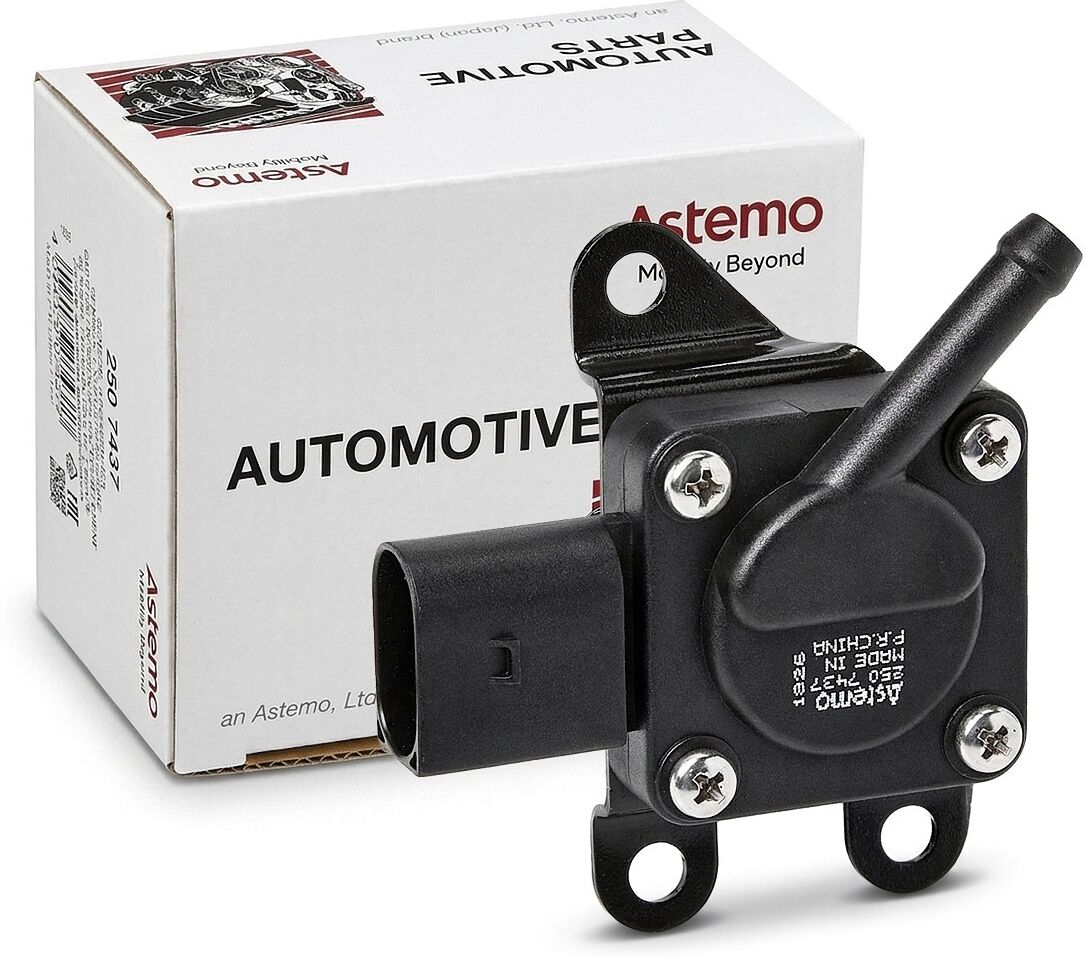
ASTEMO 2507437 Exhaust pressure sensorFitting Position: after soot particulate filter; Exhaust System: for vehicles with factory fitted soot -/particulate filter; Number of connectors: 1; Number of pins: 3; TecDoc Engine Number: 24405, 19922, 2461332,49 £*Shipping: 8,45 £Secure redirect to the provider
-
Why is the hydrostatic pressure neglected in ventilation technology?
Hydrostatic pressure is neglected in ventilation technology because it is not significant in the context of air movement in ventilation systems. Ventilation systems are designed to move air through ducts and spaces, and the pressure exerted by the weight of the air column is typically negligible compared to the pressure generated by the ventilation equipment. Therefore, hydrostatic pressure is not a major factor in the design and operation of ventilation systems. Instead, the focus is on factors such as fan performance, duct design, and air distribution to ensure effective and efficient ventilation. **
-
High pressure or low pressure?
High pressure systems are associated with fair weather conditions, clear skies, and light winds. Low pressure systems, on the other hand, are associated with unsettled weather, cloudiness, and precipitation. High pressure generally brings stable and calm conditions, while low pressure often brings stormy and windy weather. **
-
How is the exhaust pipe attached to a sports exhaust?
The exhaust pipe is attached to a sports exhaust using a combination of clamps, brackets, and hangers. These components are used to secure the exhaust pipe to the vehicle's chassis, ensuring that it is properly aligned and supported. Additionally, some sports exhaust systems may also use welding or flanges to connect the exhaust pipe to the rest of the system. This secure attachment helps to prevent any leaks or rattling, and ensures that the exhaust system functions properly. **
-
Should it be an exhaust system or just an exhaust?
It should be an exhaust system. An exhaust system refers to the entire system of components that work together to remove exhaust gases from the engine and expel them outside the vehicle. This includes the exhaust manifold, catalytic converter, muffler, and tailpipe. Simply referring to it as an exhaust may not fully capture the complexity and importance of the entire system. **
* All prices are inclusive of VAT and, if applicable, plus shipping costs. The offer information is based on the details provided by the respective shop and is updated through automated processes. Real-time updates do not occur, so deviations can occur in individual cases. ** Note: Parts of this content were created by AI.