Buy etechnic.eu ?
We are moving the project
etechnic.eu .
Are you interested in purchasing the domain
etechnic.eu ?
domain@kv-gmbh.de · 0541-91531010
Buy etechnic.eu ?
How does a battery tester work?
A battery tester works by measuring the voltage output of a battery to determine its level of charge. It typically has two probes that are connected to the positive and negative terminals of the battery. The tester then displays the voltage reading on a screen, indicating whether the battery is fully charged, partially charged, or needs to be replaced. Some advanced battery testers can also provide additional information such as the battery's internal resistance and overall health. **
Do you have a battery tester?
No, I do not have a battery tester. My capabilities are limited to providing information and answering questions to the best of my knowledge and abilities. If you need to test a battery, I recommend using a multimeter or taking it to a professional for testing. **
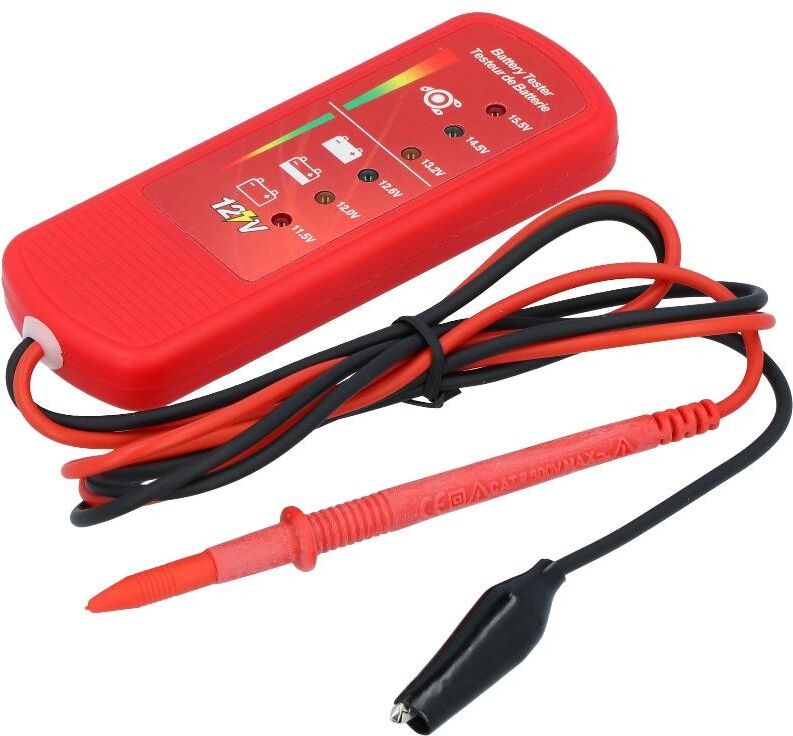
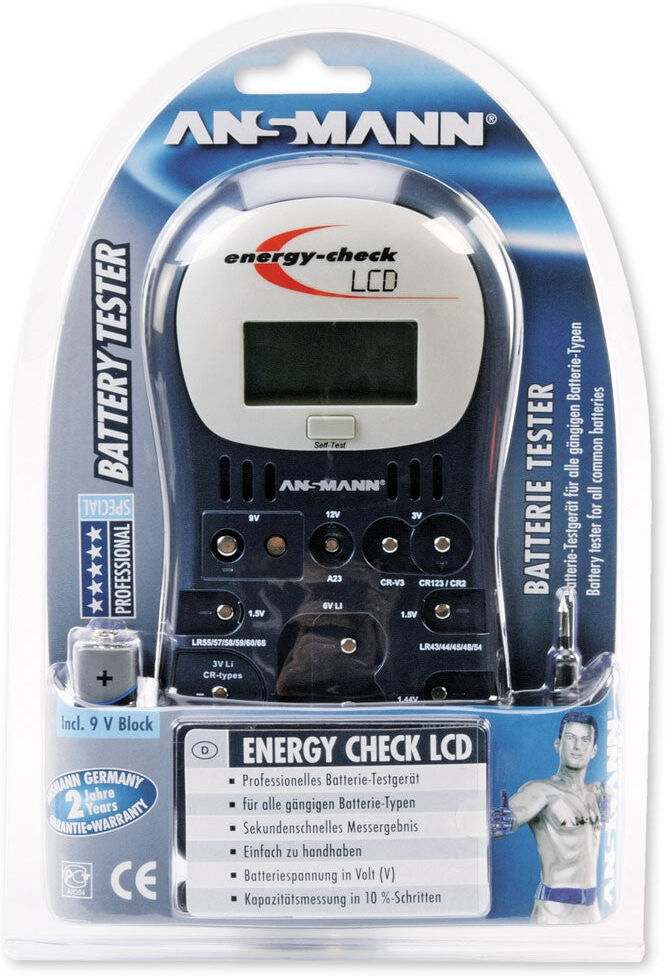
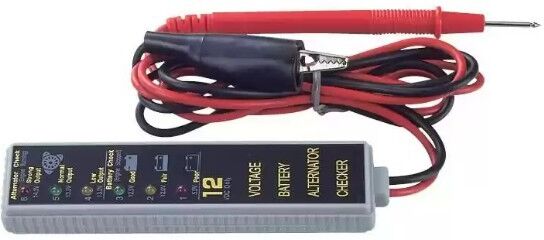
Similar search terms for ENERGY-NE00127-Battery-tester
Top-Angebote
Products related to ENERGY-NE00127-Battery-tester:
-
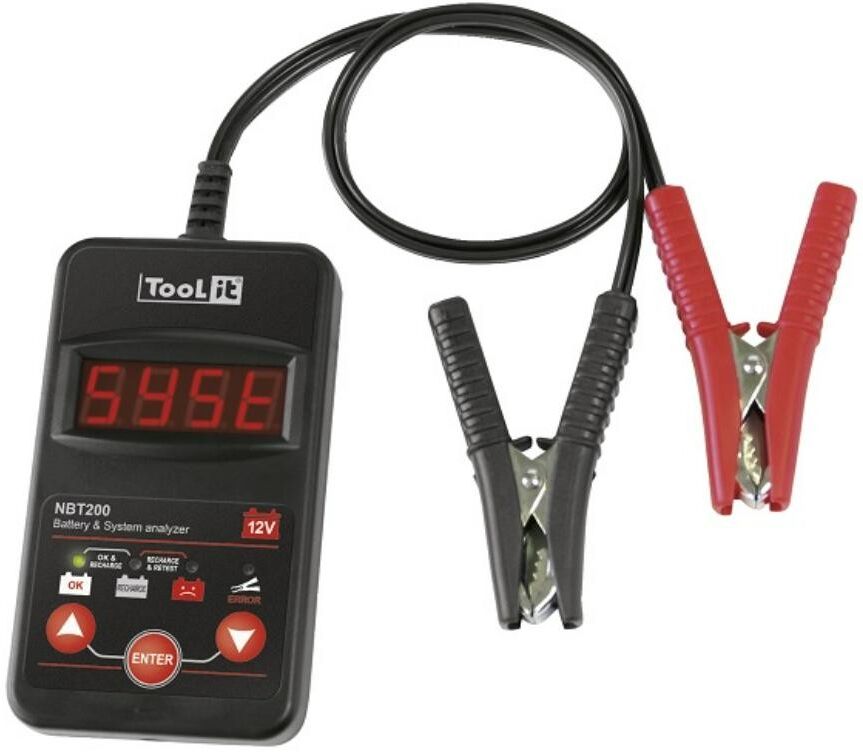
GYS 024168 Battery testerProduct line: NBT 200; Voltage from [V]: 7; Voltage to [V]: 15; Battery: Gel Battery, AGM Battery, Lead-acid battery; Reverse polarity protection: Yes; Weight [kg]: 0.25; Test standard: EN, DIN, SAE, IEC, CA, MCA; Supplementary Article / Supplementary Info Info 2: with clamps63,99 £*Shipping: 8,45 £Secure redirect to the provider


-
Does a battery tester measure voltage or current?
A battery tester measures voltage. It is used to determine the amount of electrical potential difference between the positive and negative terminals of a battery. This measurement helps to assess the battery's state of charge and overall health. Current, on the other hand, is the flow of electric charge and is measured using an ammeter. **
-
How can one build a battery tester themselves?
To build a battery tester yourself, you will need a few basic components such as a voltmeter, a resistor, and some wires. First, connect the voltmeter to the positive and negative terminals of the battery to measure its voltage. Then, connect a resistor in series with the battery to measure the current flow. By measuring the voltage and current, you can calculate the battery's internal resistance and overall health. Make sure to follow proper safety precautions and consult online resources for detailed instructions. **
-
Is the voltage tester, phase tester, and non-contact voltage tester dangerous?
Yes, the voltage tester, phase tester, and non-contact voltage tester can be dangerous if not used properly. These tools are designed to detect the presence of electrical current, which can be harmful if mishandled. It is important to follow safety precautions, such as wearing insulated gloves and ensuring the tools are in good working condition, to avoid the risk of electric shock or injury. Proper training and knowledge of how to use these tools safely are essential to prevent accidents. **
-
What is an electronics master for energy and building technology?
An electronics master for energy and building technology is a professional who specializes in designing, installing, and maintaining electronic systems that optimize energy efficiency and control various building functions. They are experts in integrating technologies such as lighting, heating, ventilation, and air conditioning systems to create smart and sustainable buildings. These professionals play a crucial role in ensuring that buildings are energy-efficient, environmentally friendly, and equipped with advanced automation systems for optimal performance. **

What is an electronics technician for energy and building technology?
An electronics technician for energy and building technology is a professional who specializes in installing, maintaining, and repairing electrical and electronic systems in buildings and energy facilities. They are responsible for ensuring that electrical systems are functioning properly, and they may work on a variety of systems including lighting, heating, ventilation, air conditioning, and renewable energy systems. These technicians are trained to troubleshoot and diagnose electrical problems, and they may also be involved in the design and implementation of energy-efficient systems. Overall, their role is crucial in ensuring the safety, efficiency, and functionality of electrical and electronic systems in buildings and energy facilities. **
What is better: Industrial electronics technician or electronics technician for energy and building technology?
The choice between an industrial electronics technician and an electronics technician for energy and building technology depends on your career goals and interests. An industrial electronics technician typically works with manufacturing equipment and machinery, while an electronics technician for energy and building technology focuses on electrical systems in buildings and energy infrastructure. If you are interested in working with manufacturing processes and machinery, then industrial electronics technician may be a better fit. However, if you are passionate about sustainable energy and building technology, then electronics technician for energy and building technology may be the better option for you. **
Top-Angebote
Products related to ENERGY-NE00127-Battery-tester:
-
Ansmann Energy Check LCD 4000392 Battery TesterMaximize the longevity and performance of your batteries with the Ansmann Energy Check LCD 4000392 Battery Tester, a sophisticated tool designed to keep your power sources in peak condition. Ideal for both professional businesses and home consumers, this tester provides a quick and reliable method to check the charge level of various battery types. With its precise measurements and easy-to-read LCD display, managing your battery inventory has never been easier or more efficient. This versatile device ensures you never find yourself without power when you need it most, making it an essential addition to any toolkit or household. Key Features: Broad Compatibility: Tests a wide range of battery types including AA, AAA, C, D, and 9V cells, as well as more specialist cells like button cells, CR123A, CR2, CR-V3, 2CR5, and CR-P2, catering to a vast array of devices. LCD Display: Features a clear and easy-to-read LCD screen that shows the battery status as a percentage of its capacity, allowing for precise and immediate understanding of each battery's condition. Automatic Shut-off: To conserve energy, the device automatically powers down after a period of inactivity, making it more efficient and eco-friendly. Portable Design: Its compact and lightweight design makes it easy to carry, suitable for both professional and personal use on the go. Ease of Use: Simple operation with no complicated settings, providing quick and accurate readings with minimal effort. Technical Specifications: Model: Ansmann Energy Check LCD 4000392 Display: Digital LCD Compatible Battery Types: AA, AAA, C, D, 9V, button cells, CR123A, CR2, CR-V3, 2CR5, CR-P2 Auto Shut-off Time: 2 minutes of inactivity Power Supply: Battery operated (batteries included) Dimensions: Compact and lightweight for easy handling and storage Common Applications: Home Applications: Ideal for testing batteries in household items such as remote controls, smoke alarms, flashlights, and toys. Professional Use: Essential for businesses to manage battery stocks for office equipment, security systems, and professional tools. Specialist Cells Testing: Perfect for photographers, audiophiles, and tech enthusiasts who use devices requiring CR123A, CR2, or other specialist batteries. In conclusion, the Ansmann Energy Check LCD 4000392 Battery Tester is a highly versatile and user-friendly device that caters to a wide range of battery testing needs. Whether you're a professional looking to maintain an efficient workspace, or a home user aiming to keep your devices powered and ready to go, this tester provides the reliability and accuracy you need. With its broad compatibility and easy-to-use features, it stands as an indispensable tool for anyone looking to optimize their battery usage and ensure their devices are always powered up and ready for action.38,49 £*Shipping: 2,49 £Secure redirect to the provider
-
How does a battery tester work?
A battery tester works by measuring the voltage output of a battery to determine its level of charge. It typically has two probes that are connected to the positive and negative terminals of the battery. The tester then displays the voltage reading on a screen, indicating whether the battery is fully charged, partially charged, or needs to be replaced. Some advanced battery testers can also provide additional information such as the battery's internal resistance and overall health. **
-
Do you have a battery tester?
No, I do not have a battery tester. My capabilities are limited to providing information and answering questions to the best of my knowledge and abilities. If you need to test a battery, I recommend using a multimeter or taking it to a professional for testing. **
-
Does a battery tester measure voltage or current?
A battery tester measures voltage. It is used to determine the amount of electrical potential difference between the positive and negative terminals of a battery. This measurement helps to assess the battery's state of charge and overall health. Current, on the other hand, is the flow of electric charge and is measured using an ammeter. **
-
How can one build a battery tester themselves?
To build a battery tester yourself, you will need a few basic components such as a voltmeter, a resistor, and some wires. First, connect the voltmeter to the positive and negative terminals of the battery to measure its voltage. Then, connect a resistor in series with the battery to measure the current flow. By measuring the voltage and current, you can calculate the battery's internal resistance and overall health. Make sure to follow proper safety precautions and consult online resources for detailed instructions. **
Similar search terms for ENERGY-NE00127-Battery-tester
-
GYS 024168 Battery testerProduct line: NBT 200; Voltage from [V]: 7; Voltage to [V]: 15; Battery: Gel Battery, AGM Battery, Lead-acid battery; Reverse polarity protection: Yes; Weight [kg]: 0.25; Test standard: EN, DIN, SAE, IEC, CA, MCA; Supplementary Article / Supplementary Info Info 2: with clamps63,99 £*Shipping: 8,45 £Secure redirect to the provider
-
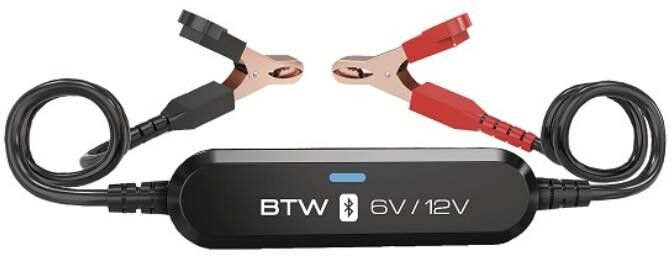
GYS 077355 Battery testerProduct line: Smart Battery Tester BTW; Voltage from [V]: 6; Voltage to [V]: 24; Weight [kg]: 0.18; Test standard: EN, DIN, SAE, IEC, CA, MCA, JIS; Supplementary Article / Supplementary Info Info 2: with clamps; Battery Capacity from [Ah]: 7; Battery Capacity to [Ah]: 240; Bluetooth: Yes; Features: App control41,99 £*Shipping: 8,45 £Secure redirect to the provider
-
Is the voltage tester, phase tester, and non-contact voltage tester dangerous?
Yes, the voltage tester, phase tester, and non-contact voltage tester can be dangerous if not used properly. These tools are designed to detect the presence of electrical current, which can be harmful if mishandled. It is important to follow safety precautions, such as wearing insulated gloves and ensuring the tools are in good working condition, to avoid the risk of electric shock or injury. Proper training and knowledge of how to use these tools safely are essential to prevent accidents. **
-
What is an electronics master for energy and building technology?
An electronics master for energy and building technology is a professional who specializes in designing, installing, and maintaining electronic systems that optimize energy efficiency and control various building functions. They are experts in integrating technologies such as lighting, heating, ventilation, and air conditioning systems to create smart and sustainable buildings. These professionals play a crucial role in ensuring that buildings are energy-efficient, environmentally friendly, and equipped with advanced automation systems for optimal performance. **
-
What is an electronics technician for energy and building technology?
An electronics technician for energy and building technology is a professional who specializes in installing, maintaining, and repairing electrical and electronic systems in buildings and energy facilities. They are responsible for ensuring that electrical systems are functioning properly, and they may work on a variety of systems including lighting, heating, ventilation, air conditioning, and renewable energy systems. These technicians are trained to troubleshoot and diagnose electrical problems, and they may also be involved in the design and implementation of energy-efficient systems. Overall, their role is crucial in ensuring the safety, efficiency, and functionality of electrical and electronic systems in buildings and energy facilities. **
-
What is better: Industrial electronics technician or electronics technician for energy and building technology?
The choice between an industrial electronics technician and an electronics technician for energy and building technology depends on your career goals and interests. An industrial electronics technician typically works with manufacturing equipment and machinery, while an electronics technician for energy and building technology focuses on electrical systems in buildings and energy infrastructure. If you are interested in working with manufacturing processes and machinery, then industrial electronics technician may be a better fit. However, if you are passionate about sustainable energy and building technology, then electronics technician for energy and building technology may be the better option for you. **
* All prices are inclusive of VAT and, if applicable, plus shipping costs. The offer information is based on the details provided by the respective shop and is updated through automated processes. Real-time updates do not occur, so deviations can occur in individual cases. ** Note: Parts of this content were created by AI.