Buy etechnic.eu ?
We are moving the project
etechnic.eu .
Are you interested in purchasing the domain
etechnic.eu ?
domain@kv-gmbh.de · 0541-91531010
Buy etechnic.eu ?
What is an electronics master for energy and building technology?
An electronics master for energy and building technology is a professional who specializes in designing, installing, and maintaining electronic systems that optimize energy efficiency and control various building functions. They are experts in integrating technologies such as lighting, heating, ventilation, and air conditioning systems to create smart and sustainable buildings. These professionals play a crucial role in ensuring that buildings are energy-efficient, environmentally friendly, and equipped with advanced automation systems for optimal performance. **
What is an electronics technician for energy and building technology?
An electronics technician for energy and building technology is a professional who specializes in installing, maintaining, and repairing electrical and electronic systems in buildings and energy facilities. They are responsible for ensuring that electrical systems are functioning properly, and they may work on a variety of systems including lighting, heating, ventilation, air conditioning, and renewable energy systems. These technicians are trained to troubleshoot and diagnose electrical problems, and they may also be involved in the design and implementation of energy-efficient systems. Overall, their role is crucial in ensuring the safety, efficiency, and functionality of electrical and electronic systems in buildings and energy facilities. **
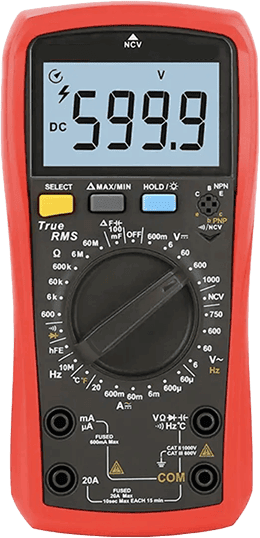

Similar search terms for ENERGY-NE00841-Multimeter
Top-Angebote
Products related to ENERGY-NE00841-Multimeter:
-
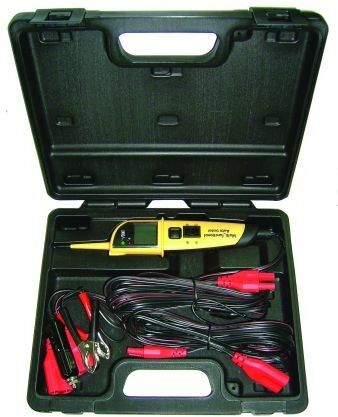
TOPTUL EAAC0260E MultimeterAC Voltage [V]: 4 / 40 / 400 / 600; DC Voltage [V]: 0,4-600; Resistor [ohm]: 400-40000000; Measuring Range [A]: 400/600; Frequency Range [Hz]: 5-100000; Operating temperature from [°C]: 0; Operating temperature to [°C]: 50; Gauge: with LCD display; Required appliance battery: AAA (Micro); Number of device batteries required: 2; Test standard: IEC; Protection Rating: III; Length [mm]: 190; Width [mm]: 71; Height: 37; Weight [kg]: 0,2119,99 £*Shipping: 8,45 £Secure redirect to the provider
-
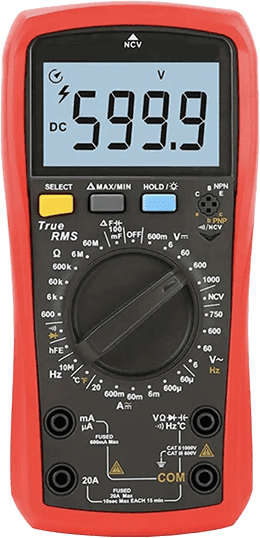
MILWAUKEE 4933416976 MultimeterVoltage [V]: 600; Protection Type (IP Code): IP64; Gauge: with digital display; Required appliance battery: Included in the delivery, AA (Mignon); Resistor [kohm]: 40000; Frequency range from [Hz]: 2; Frequency range to [kHz]: 50; Protection Rating: III; Product line: 2217-40275,99 £*Shipping: 1,99 £Secure redirect to the provider

-
How do you measure HFE on a multimeter, electronics technician?
To measure HFE (DC current gain) on a multimeter, an electronics technician would typically set the multimeter to the hFE or transistor symbol on the dial. Then, they would connect the transistor leads to the correct terminals on the multimeter, ensuring the correct orientation (E, B, C). Once the connections are made, the multimeter will display the HFE value of the transistor on its screen. This measurement helps technicians assess the amplification capabilities of the transistor and ensure it is functioning within specifications. **
-
What is better: Industrial electronics technician or electronics technician for energy and building technology?
The choice between an industrial electronics technician and an electronics technician for energy and building technology depends on your career goals and interests. An industrial electronics technician typically works with manufacturing equipment and machinery, while an electronics technician for energy and building technology focuses on electrical systems in buildings and energy infrastructure. If you are interested in working with manufacturing processes and machinery, then industrial electronics technician may be a better fit. However, if you are passionate about sustainable energy and building technology, then electronics technician for energy and building technology may be the better option for you. **
-
What is better: Electronics technician for industrial engineering or electronics technician for energy and building technology?
The choice between being an electronics technician for industrial engineering or energy and building technology depends on your interests and career goals. If you enjoy working with complex machinery and systems in manufacturing environments, then industrial engineering may be a better fit for you. On the other hand, if you are passionate about sustainable energy solutions and building technology, then energy and building technology could be more fulfilling. Consider your strengths, interests, and long-term career aspirations to make the best decision for yourself. **
-
Is the multimeter defective?
It is difficult to determine if the multimeter is defective without more information. If the multimeter is not displaying any readings or is showing inconsistent readings, it could be a sign of a defective unit. It is recommended to check the batteries, connections, and settings of the multimeter to rule out any user errors before concluding that it is defective. If the issue persists after troubleshooting, it may be best to contact the manufacturer for further assistance or consider getting a replacement. **
Is a multimeter dangerous?
A multimeter can be dangerous if not used properly. It is a tool that measures electrical voltage, current, and resistance, so there is a risk of electric shock if it is used on live circuits without proper precautions. Additionally, mishandling the multimeter or using it in the wrong settings can lead to damage or injury. It is important to follow safety guidelines and receive proper training on how to use a multimeter to avoid any potential dangers. **
Is the multimeter broken?
To determine if the multimeter is broken, you can perform a few troubleshooting steps. First, check the batteries to ensure they are properly installed and not depleted. Next, inspect the test leads for any damage or wear. You can also test the multimeter on a known voltage source to see if it is reading accurately. If after these steps the multimeter is still not functioning properly, it may be broken and in need of repair or replacement. **
Top-Angebote
Products related to ENERGY-NE00841-Multimeter:
-
ENERGY NE00841 MultimeterAmbient temperature from [°C]: -10; max. ambient temperature to [°C]: 50; Length [mm]: 190; Measuring Range from [µA]: 600; Measuring Range to [A]: 10; DC Voltage from [V]: 600; DC Voltage to [V]: 1000; Weight [g]: 834; Measuring Range from [kohm]: 600; Measuring Range to [kohm]: 60; Frequency range from [kHz]: 6; Frequency range to [kHz]: 10; Width [mm]: 90; Operating temperature from [°C]: 0; Operating temperature to [°C]: 40; Measuring Range to (AC) [A]: 10; Gauge: with TFT display; Number of device batteries required: 1; Protection [A]: 10, 0,3; Voltage [V]: 600; AC Voltage from [V]: 6; AC Voltage to [V]: 750; Depth [mm]: 35; Measuring Range from [°C]: 40; Measuring Range to [°C]: 2000; Rechargeable Battery Voltage [V]: 98,59 £*Shipping: 8,45 £Secure redirect to the provider
-
TOPTUL EAAA0169 MultimeterMeasuring Range [V]: 12-690; Frequency range from [Hz]: 0-70; Gauge: with LCD display; Operating temperature from [°C]: -10; Operating temperature to [°C]: 55; Test standard: EN; Protection Rating: III; Required appliance battery: AAA (Micro); Number of device batteries required: 2; Features: with torch; Protection Type (IP Code): IP 6443,49 £*Shipping: 8,45 £Secure redirect to the provider
-
TOPTUL EAAC0260E MultimeterAC Voltage [V]: 4 / 40 / 400 / 600; DC Voltage [V]: 0,4-600; Resistor [ohm]: 400-40000000; Measuring Range [A]: 400/600; Frequency Range [Hz]: 5-100000; Operating temperature from [°C]: 0; Operating temperature to [°C]: 50; Gauge: with LCD display; Required appliance battery: AAA (Micro); Number of device batteries required: 2; Test standard: IEC; Protection Rating: III; Length [mm]: 190; Width [mm]: 71; Height: 37; Weight [kg]: 0,2119,99 £*Shipping: 8,45 £Secure redirect to the provider
-
MILWAUKEE 4933416976 MultimeterVoltage [V]: 600; Protection Type (IP Code): IP64; Gauge: with digital display; Required appliance battery: Included in the delivery, AA (Mignon); Resistor [kohm]: 40000; Frequency range from [Hz]: 2; Frequency range to [kHz]: 50; Protection Rating: III; Product line: 2217-40275,99 £*Shipping: 1,99 £Secure redirect to the provider
-
What is an electronics master for energy and building technology?
An electronics master for energy and building technology is a professional who specializes in designing, installing, and maintaining electronic systems that optimize energy efficiency and control various building functions. They are experts in integrating technologies such as lighting, heating, ventilation, and air conditioning systems to create smart and sustainable buildings. These professionals play a crucial role in ensuring that buildings are energy-efficient, environmentally friendly, and equipped with advanced automation systems for optimal performance. **
-
What is an electronics technician for energy and building technology?
An electronics technician for energy and building technology is a professional who specializes in installing, maintaining, and repairing electrical and electronic systems in buildings and energy facilities. They are responsible for ensuring that electrical systems are functioning properly, and they may work on a variety of systems including lighting, heating, ventilation, air conditioning, and renewable energy systems. These technicians are trained to troubleshoot and diagnose electrical problems, and they may also be involved in the design and implementation of energy-efficient systems. Overall, their role is crucial in ensuring the safety, efficiency, and functionality of electrical and electronic systems in buildings and energy facilities. **
-
How do you measure HFE on a multimeter, electronics technician?
To measure HFE (DC current gain) on a multimeter, an electronics technician would typically set the multimeter to the hFE or transistor symbol on the dial. Then, they would connect the transistor leads to the correct terminals on the multimeter, ensuring the correct orientation (E, B, C). Once the connections are made, the multimeter will display the HFE value of the transistor on its screen. This measurement helps technicians assess the amplification capabilities of the transistor and ensure it is functioning within specifications. **
-
What is better: Industrial electronics technician or electronics technician for energy and building technology?
The choice between an industrial electronics technician and an electronics technician for energy and building technology depends on your career goals and interests. An industrial electronics technician typically works with manufacturing equipment and machinery, while an electronics technician for energy and building technology focuses on electrical systems in buildings and energy infrastructure. If you are interested in working with manufacturing processes and machinery, then industrial electronics technician may be a better fit. However, if you are passionate about sustainable energy and building technology, then electronics technician for energy and building technology may be the better option for you. **
Similar search terms for ENERGY-NE00841-Multimeter
-
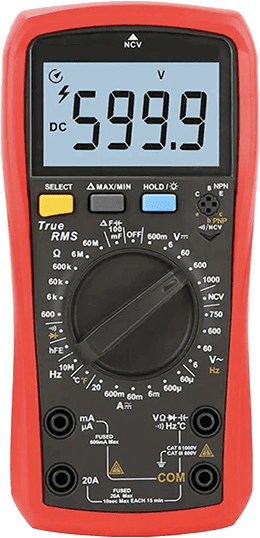
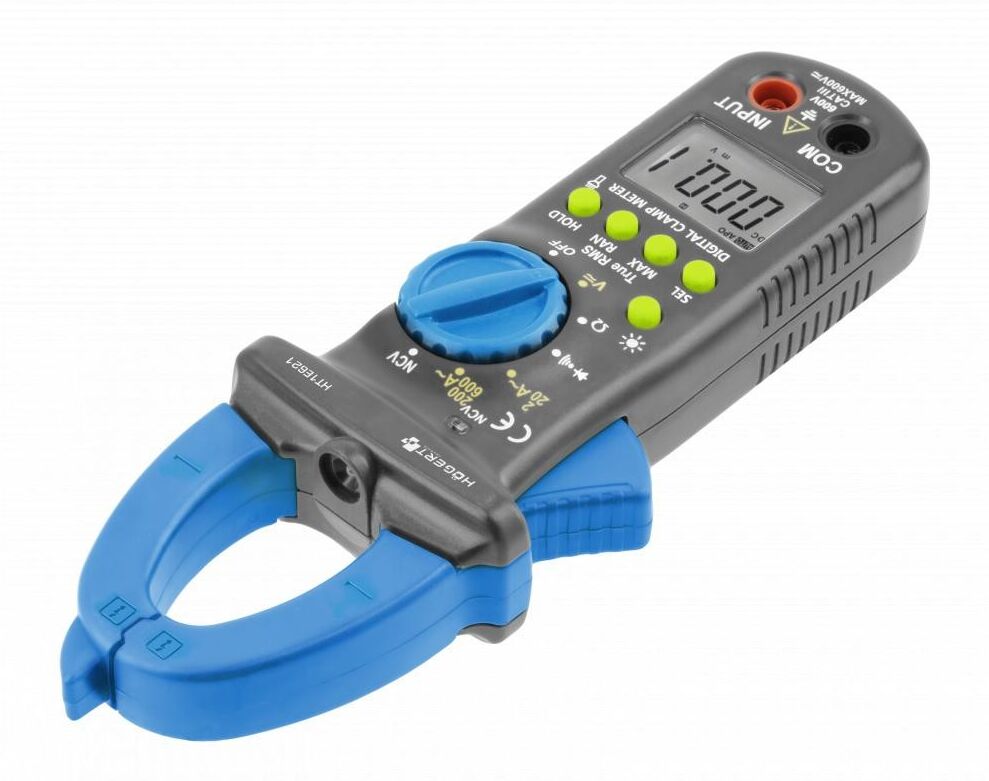
Hogert Technik HT1E621 MultimeterGauge: with illuminated LCD display; Housing Type: Synthetic Material Housing; Resistor to [Mohm]: 60; AC Voltage to [V]: 600; Measuring Range to (AC) [A]: 600; Required appliance battery: AAA (Micro); Number of device batteries required: 3; Parameter: TRUE RMS, NCV, DATA HOLD, SELECT, RANGE, MIN/MAX; Light Design: LED; Features: with torch; Inductive: +; Cable Diameter to [mm]: 2020,99 £*Shipping: 8,45 £Secure redirect to the provider
-
What is better: Electronics technician for industrial engineering or electronics technician for energy and building technology?
The choice between being an electronics technician for industrial engineering or energy and building technology depends on your interests and career goals. If you enjoy working with complex machinery and systems in manufacturing environments, then industrial engineering may be a better fit for you. On the other hand, if you are passionate about sustainable energy solutions and building technology, then energy and building technology could be more fulfilling. Consider your strengths, interests, and long-term career aspirations to make the best decision for yourself. **
-
Is the multimeter defective?
It is difficult to determine if the multimeter is defective without more information. If the multimeter is not displaying any readings or is showing inconsistent readings, it could be a sign of a defective unit. It is recommended to check the batteries, connections, and settings of the multimeter to rule out any user errors before concluding that it is defective. If the issue persists after troubleshooting, it may be best to contact the manufacturer for further assistance or consider getting a replacement. **
-
Is a multimeter dangerous?
A multimeter can be dangerous if not used properly. It is a tool that measures electrical voltage, current, and resistance, so there is a risk of electric shock if it is used on live circuits without proper precautions. Additionally, mishandling the multimeter or using it in the wrong settings can lead to damage or injury. It is important to follow safety guidelines and receive proper training on how to use a multimeter to avoid any potential dangers. **
-
Is the multimeter broken?
To determine if the multimeter is broken, you can perform a few troubleshooting steps. First, check the batteries to ensure they are properly installed and not depleted. Next, inspect the test leads for any damage or wear. You can also test the multimeter on a known voltage source to see if it is reading accurately. If after these steps the multimeter is still not functioning properly, it may be broken and in need of repair or replacement. **
* All prices are inclusive of VAT and, if applicable, plus shipping costs. The offer information is based on the details provided by the respective shop and is updated through automated processes. Real-time updates do not occur, so deviations can occur in individual cases. ** Note: Parts of this content were created by AI.