Buy etechnic.eu ?
We are moving the project
etechnic.eu .
Are you interested in purchasing the domain
etechnic.eu ?
domain@kv-gmbh.de · 0541-91531010
Buy etechnic.eu ?
What does "ws" mean in jetztspelenws West Samoa?
"ws" in jetztspelenws West Samoa is the country code top-level domain (ccTLD) for websites based in Samoa. It is used as part of the website address to indicate that the website is associated with or based in Samoa. The use of country code top-level domains helps to identify the geographical location or origin of a website. **
How do I mount a 15-inch wheel cover on a 15-inch tire?
To mount a 15-inch wheel cover on a 15-inch tire, first ensure that the tire is properly inflated and mounted on the wheel. Then, align the wheel cover with the valve stem on the tire and gently press the cover onto the wheel. Use a rubber mallet or your hands to firmly tap the edges of the cover to ensure it is securely in place. Double-check that the cover is evenly seated and properly aligned before driving. **

Similar search terms for LEOPLAST-SAMOA-15-Wheel
Top-Angebote
Products related to LEOPLAST-SAMOA-15-Wheel:
-
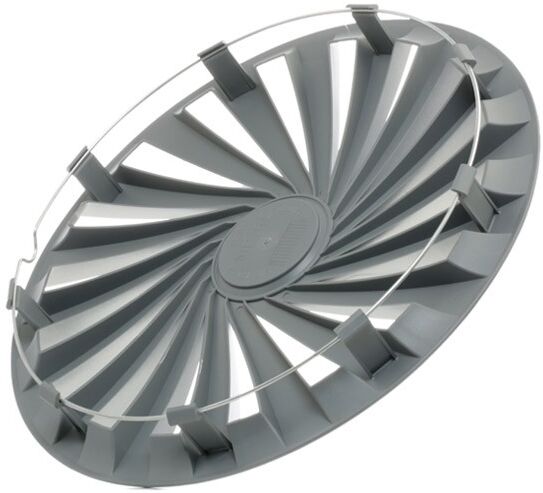
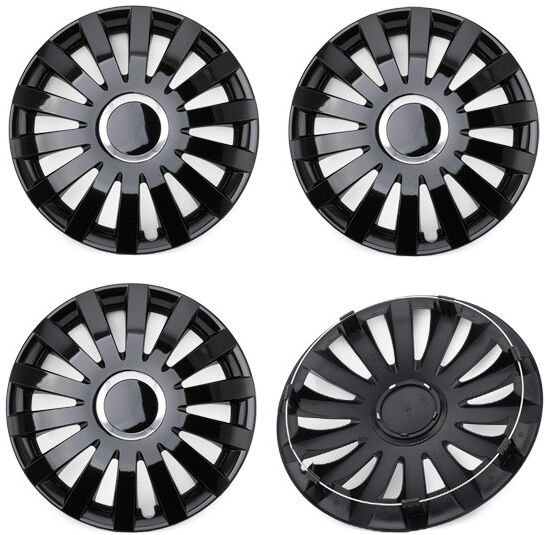
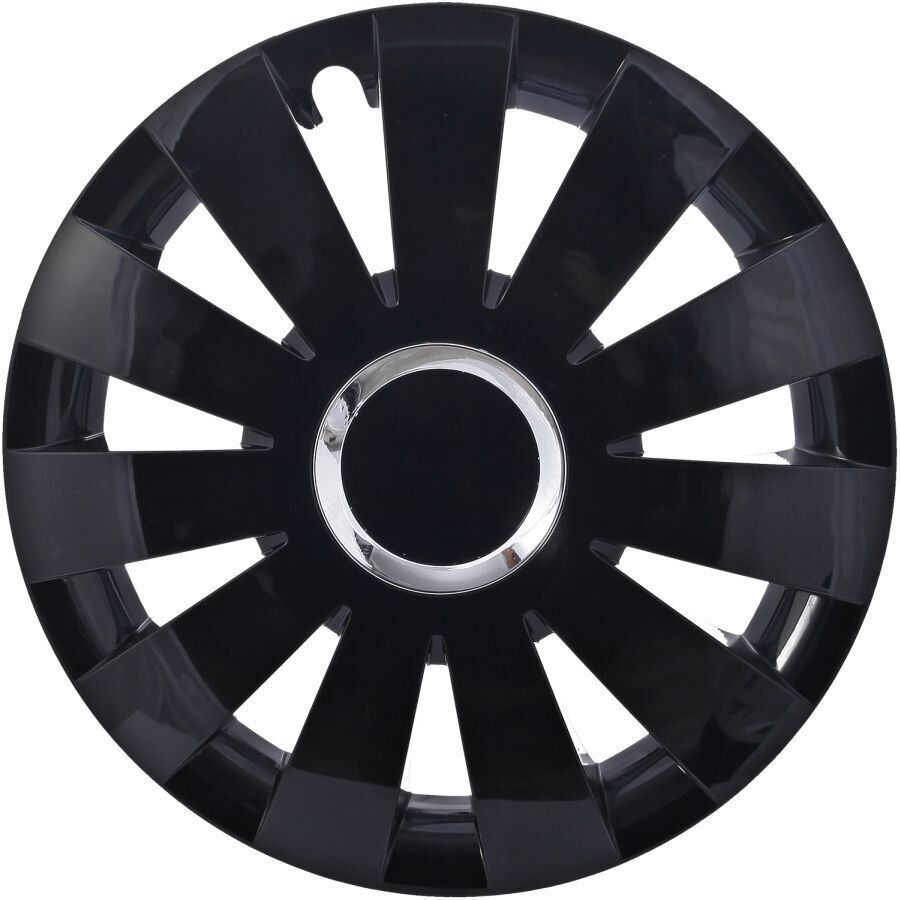
LEOPLAST SAIL CZ 15 Wheel coversWheel Diameter [inch]: 15; Colour: black; Quantity: 4; Quantity Unit: Set; Fitting Position: Front Axle; Production date from: 11.2016; for PR number: 1ZH, 1ZE,1ZQ,1ZR,1ZS, 1ZE; for brake disc diameter [mm]: 27626,99 £*Shipping: 8,45 £Secure redirect to the provider
-
What is Electronics 15?
Electronics 15 is a course that covers the fundamentals of electronics, including topics such as circuit analysis, electronic components, and basic electronic circuits. Students learn about the principles behind electronic devices and how to design and analyze simple electronic circuits. The course may also cover topics such as digital electronics, semiconductor devices, and integrated circuits. Overall, Electronics 15 provides a foundational understanding of electronics for students pursuing a career in electrical engineering or related fields. **
-
Which wheel is stronger, the front wheel or the rear wheel?
The rear wheel is typically stronger than the front wheel. This is because the rear wheel bears more of the rider's weight and also provides the power for propulsion. Additionally, the rear wheel is often built with more spokes and a sturdier hub to handle the extra stress and torque. However, both wheels are important for the overall stability and performance of the bike. **
-
Is wheel alignment the same as wheel tracking?
Yes, wheel alignment and wheel tracking are essentially the same thing. Both terms refer to the process of adjusting the angles of the wheels so that they are parallel to each other and perpendicular to the ground. This ensures that the vehicle drives straight and that the tires wear evenly. In some regions, the term "wheel tracking" may be more commonly used, but it refers to the same process as wheel alignment. **
-
Which bicycle wheel?
It depends on the specific needs and preferences of the rider. For road cycling, a lightweight and aerodynamic wheel with a smooth tread may be preferred for speed and efficiency. For off-road or mountain biking, a wider and more durable wheel with a knobby tread may be better suited for handling rough terrain. Ultimately, the choice of bicycle wheel will depend on the type of riding and the specific requirements of the rider. **


What types of drivetrains are there: front-wheel drive, rear-wheel drive, or all-wheel drive?
There are three main types of drivetrains: front-wheel drive, rear-wheel drive, and all-wheel drive. Front-wheel drive vehicles have power sent to the front wheels, which can provide better traction in slippery conditions. Rear-wheel drive vehicles have power sent to the rear wheels, which can offer better handling and balance. All-wheel drive vehicles have power sent to all four wheels, providing improved traction and stability in various driving conditions. **
Why are there no 15-volt batteries, even though all devices require 15-volt batteries?
There are no 15-volt batteries because the standard voltage levels for batteries are typically multiples of 1.5 volts, such as 1.5V, 3V, 6V, 9V, and 12V. This is due to the way batteries are designed and manufactured. Devices that require 15 volts typically use a combination of smaller batteries, such as three 5-volt batteries, to achieve the necessary voltage. Additionally, creating a standard 15-volt battery may not be practical or cost-effective for manufacturers due to the limited demand for such a specific voltage. **
Top-Angebote
Products related to LEOPLAST-SAMOA-15-Wheel:
-
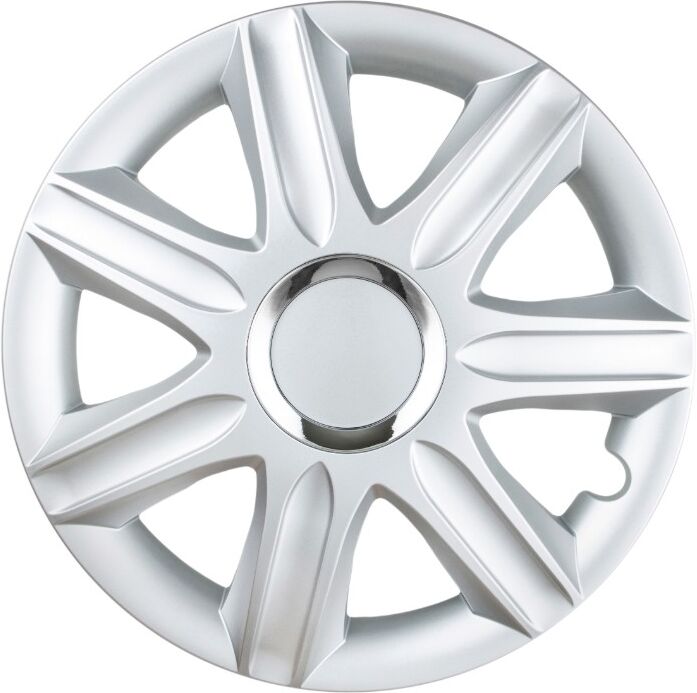
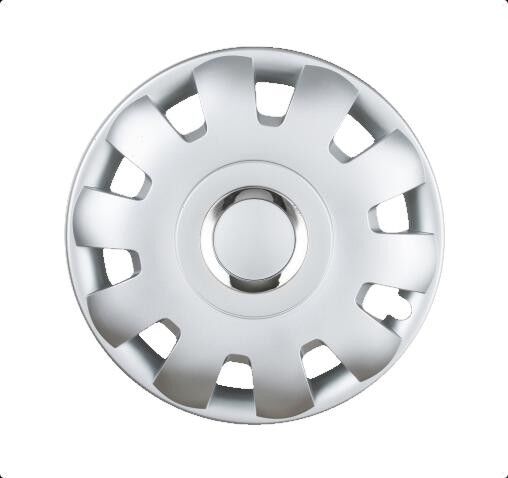
LEOPLAST SAMOA 15 Wheel coversWheel Diameter [inch]: 15; Colour: silver; Quantity: 4; Quantity Unit: Set; Construction Year to: 09/2007, 12/2010, 09/2010; Fitting Position: Rear, both sides; Construction Year from: 09/2005, 04/2006, 08/2007; Vehicle Equipment: for vehicles without active steering, for vehicles with active steering25,99 £*Shipping: 8,45 £Secure redirect to the provider
-
LEOPLAST SAIL CZ 15 Wheel coversWheel Diameter [inch]: 15; Colour: black; Quantity: 4; Quantity Unit: Set; Fitting Position: Front Axle; Production date from: 11.2016; for PR number: 1ZH, 1ZE,1ZQ,1ZR,1ZS, 1ZE; for brake disc diameter [mm]: 27626,99 £*Shipping: 8,45 £Secure redirect to the provider
-
What does "ws" mean in jetztspelenws West Samoa?
"ws" in jetztspelenws West Samoa is the country code top-level domain (ccTLD) for websites based in Samoa. It is used as part of the website address to indicate that the website is associated with or based in Samoa. The use of country code top-level domains helps to identify the geographical location or origin of a website. **
-
How do I mount a 15-inch wheel cover on a 15-inch tire?
To mount a 15-inch wheel cover on a 15-inch tire, first ensure that the tire is properly inflated and mounted on the wheel. Then, align the wheel cover with the valve stem on the tire and gently press the cover onto the wheel. Use a rubber mallet or your hands to firmly tap the edges of the cover to ensure it is securely in place. Double-check that the cover is evenly seated and properly aligned before driving. **
-
What is Electronics 15?
Electronics 15 is a course that covers the fundamentals of electronics, including topics such as circuit analysis, electronic components, and basic electronic circuits. Students learn about the principles behind electronic devices and how to design and analyze simple electronic circuits. The course may also cover topics such as digital electronics, semiconductor devices, and integrated circuits. Overall, Electronics 15 provides a foundational understanding of electronics for students pursuing a career in electrical engineering or related fields. **
-
Which wheel is stronger, the front wheel or the rear wheel?
The rear wheel is typically stronger than the front wheel. This is because the rear wheel bears more of the rider's weight and also provides the power for propulsion. Additionally, the rear wheel is often built with more spokes and a sturdier hub to handle the extra stress and torque. However, both wheels are important for the overall stability and performance of the bike. **
Similar search terms for LEOPLAST-SAMOA-15-Wheel
-
Is wheel alignment the same as wheel tracking?
Yes, wheel alignment and wheel tracking are essentially the same thing. Both terms refer to the process of adjusting the angles of the wheels so that they are parallel to each other and perpendicular to the ground. This ensures that the vehicle drives straight and that the tires wear evenly. In some regions, the term "wheel tracking" may be more commonly used, but it refers to the same process as wheel alignment. **
-
Which bicycle wheel?
It depends on the specific needs and preferences of the rider. For road cycling, a lightweight and aerodynamic wheel with a smooth tread may be preferred for speed and efficiency. For off-road or mountain biking, a wider and more durable wheel with a knobby tread may be better suited for handling rough terrain. Ultimately, the choice of bicycle wheel will depend on the type of riding and the specific requirements of the rider. **
-
What types of drivetrains are there: front-wheel drive, rear-wheel drive, or all-wheel drive?
There are three main types of drivetrains: front-wheel drive, rear-wheel drive, and all-wheel drive. Front-wheel drive vehicles have power sent to the front wheels, which can provide better traction in slippery conditions. Rear-wheel drive vehicles have power sent to the rear wheels, which can offer better handling and balance. All-wheel drive vehicles have power sent to all four wheels, providing improved traction and stability in various driving conditions. **
-
Why are there no 15-volt batteries, even though all devices require 15-volt batteries?
There are no 15-volt batteries because the standard voltage levels for batteries are typically multiples of 1.5 volts, such as 1.5V, 3V, 6V, 9V, and 12V. This is due to the way batteries are designed and manufactured. Devices that require 15 volts typically use a combination of smaller batteries, such as three 5-volt batteries, to achieve the necessary voltage. Additionally, creating a standard 15-volt battery may not be practical or cost-effective for manufacturers due to the limited demand for such a specific voltage. **
* All prices are inclusive of VAT and, if applicable, plus shipping costs. The offer information is based on the details provided by the respective shop and is updated through automated processes. Real-time updates do not occur, so deviations can occur in individual cases. ** Note: Parts of this content were created by AI.